What is an Ophthalmologist, and Why Does It Matter?
The word "eye doctor" is used loosely, so it helps to know who does what.
Ophthalmologist: A medical doctor (MBBS) who has completed postgraduate training in eye care (such as MS, DNB or a diploma), qualified to diagnose all eye diseases, prescribe medicines, perform laser and surgery, and prescribe glasses.
Optometrist: A trained professional who tests vision and prescribes glasses and contact lenses. Optometrists do not perform surgery or treat serious eye disease independently.
Optician: A professional who dispenses and fits glasses and lenses based on a prescription.
If you have an eye disease or suspect one, such as pain, redness, sudden vision change, floaters, glaucoma, diabetes-related eye problems or cataract, you need an ophthalmologist. Many eye diseases are painless in their early stages, so seeing a qualified ophthalmologist for regular check-ups is the best way to catch them in time.
Sub-Specialists Within Ophthalmology
Some ophthalmologists pursue additional training in a particular area. Common sub-specialties include:
For routine problems, a general ophthalmologist is a good starting point. For complex conditions, your doctor may refer you to a sub-specialist. At Oracle Eye Hospital, the team works together so that your care is coordinated.
- Cataract and refractive surgery: cataract removal, lens implants and vision correction such as LASIK
- Cornea and external disease: infections, keratoconus, corneal transplant and dry eye
- Glaucoma: diagnosis and long-term management of optic nerve damage
- Retina and vitreous: diabetic eye disease, retinal detachment and macular conditions
- Paediatric ophthalmology and squint: children's eye problems and misaligned eyes
- Oculoplasty: eyelid, tear duct and orbital conditions
How to Choose the Best Eye Doctor: A Practical Guide
No online ranking can replace your own judgment. Use these questions as a guide when you evaluate any eye doctor in Moradabad.
1
Are the Qualifications Recognised? - Look for postgraduate qualifications in ophthalmology, such as MS, DNB or equivalent, and additional credentials such as FICO, which indicates examination-based international certification. Do not hesitate to ask.
2
Do They Have Relevant Experience? - Experience with your specific condition matters. For surgery, ask how often the doctor performs your procedure and what outcomes you can realistically expect.
3
Is the Examination Thorough? - A good eye doctor takes a detailed history, checks vision and eye pressure, examines the front and back of your eye, and uses scans when needed. Be cautious if the visit consists only of reading a chart.
4
Do They Explain Clearly? - You should leave understanding your diagnosis, your options and what to expect. A good doctor welcomes questions and does not use jargon to confuse.
5
Is Their Advice Honest? - The best eye doctors do not push surgery or expensive products when they are unnecessary. They will tell you when watching and waiting is enough, and when a second opinion is reasonable.
6
Does the Hospital Support Their Work? - Modern diagnostic equipment, a clean operation theatre, trained support staff and strict sterilisation protocols all contribute to safe care.
7
Is the Cost Transparent? - A reputable centre provides a clear estimate and explains what is included. EMI and insurance support are signs of patient-friendly practice.
8
Is Follow-Up Care Available? - Eye care is a partnership over time. Make sure you can easily reach the team after treatment.
9
Do They Treat All Age Groups? - A centre that looks after children, adults and elderly patients is convenient for the whole family.
10
How Do You Feel in Their Care? - Trust matters. If you feel heard, respected and comfortable, that is a strong sign you have found the right doctor.
Red flags to watch for:
- Promises of "100% guaranteed" results or "zero risk"
- Pressure to decide on surgery during the first visit
- Unusually low prices with hidden extras
- Reluctance to show you reports or explain findings
- Recommending eye drops or treatments without proper examination
Meet the Eye Doctors at Oracle Eye Hospital
Together, the team approaches each patient with a simple principle: examine carefully, explain honestly and treat only what needs treating.
1
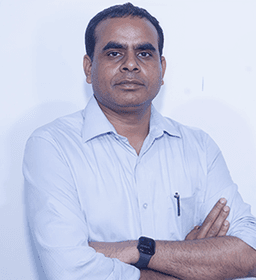
Dr. Girjesh Kain (MS, FICO) - A senior phaco and refractive surgeon, Dr. Girjesh Kain leads the clinical team at Oracle Eye Hospital. He has been associated with thousands of eye surgeries, including cataract and vision correction procedures. Patients seek him for cataract surgery, LASIK and other refractive procedures, and for advice on complex eye conditions.
2
Dr. Akansha Kain (MBBS, MS Ophthalmology) - Dr. Akansha Kain is a Senior Cornea and Anterior Segment Specialist. She manages conditions affecting the front of the eye, including corneal infections and ulcers, keratoconus, corneal scars, dry eye, pterygium and other ocular surface problems.
3
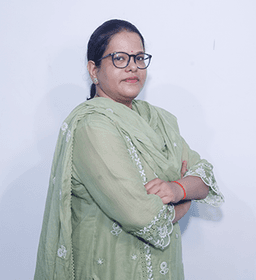
Dr. Rachana - Dr. Rachana is part of the ophthalmology team at Oracle Eye Hospital, supporting patients in comprehensive eye care and working closely with the senior doctors to deliver coordinated treatment.
When Should You See an Eye Doctor?
Book an appointment promptly if you have:
Go to an eye hospital immediately for sudden vision loss, severe eye pain, a chemical splash or a penetrating injury. For chemical exposure, rinse the eye continuously with clean water first, and avoid applying home remedies.
Regular check-ups are advised for everyone above 40, for people with diabetes or high blood pressure, and for those with a family history of glaucoma or other eye disease, even when vision seems normal.
- Blurred, cloudy or double vision
- Difficulty seeing at night or glare from lights
- Frequent headaches or eye strain
- A red, painful or swollen eye
- Persistent watering, dryness or burning
- Floaters, flashes of light or a dark shadow in your vision
- Gradual loss of side vision
- A white spot on the eye or sensitivity to light
- A child who squints, tilts the head or sits too close to the screen
- Any eye injury
What Happens During Your Visit
A routine visit generally takes 30 to 45 minutes. Dilating drops may blur near vision and increase light sensitivity for a few hours, so please arrange for someone to accompany you.
1
Step 1: Detailed History and Preliminary Tests - Our team records your symptoms, medical history and medicines, then checks your vision, glasses power and eye pressure.
2
Step 2: Complete Examination by the Ophthalmologist - The doctor examines your eyes with a slit lamp and, usually with dilating drops, checks the retina and optic nerve.
3
Step 3: Advanced Tests if Needed - Scans such as OCT, corneal tomography or visual field testing are advised only when relevant to your condition.
4
Step 4: Clear Diagnosis and Personalised Plan - Your doctor explains what was found, discusses treatment choices, risks and costs, and gives you a prescription or care plan. You are welcome to ask questions or take time before deciding on surgery.
Why Patients Trust Oracle Eye Hospital
- Experienced, qualified ophthalmologists with expertise in surgery, cornea and general eye care
- Complete care under one roof: examination, diagnosis, laser, surgery and follow-up
- Modern technology for accurate diagnosis and safe treatment
- Care for the whole family, from children to senior citizens
- Honest guidance: no unnecessary procedures and no pressure
- Affordable access: clear estimates, 0% EMI plans and cashless insurance assistance
- Local convenience: advanced eye care in Moradabad, without travelling to a metro city
What to Ask Any Eye Doctor
Come prepared with these questions to get the most from your appointment:
A good eye doctor will welcome these questions.
1
What is my diagnosis, in simple words?
2
Do I need treatment now, or can we monitor it?
3
What are my options, and what do you recommend for me?
4
What are the benefits, risks and likely results?
5
How long will recovery take, and what care will I need?
6
What will it cost, and what is included?
7
How often will I need follow-up, and who do I contact if something goes wrong?
Simple Habits That Protect Your Vision
- Follow the 20-20-20 rule: every 20 minutes, look at something 20 feet away for 20 seconds
- Wear UV-protective sunglasses outdoors
- Use protective eyewear around dust, machinery, chemicals and while riding
- Keep diabetes and blood pressure well controlled
- Do not smoke
- Eat leafy greens, fruits, nuts and fish
- Do not use eye drops, especially steroid drops, without a doctor's advice
- Do not rub your eyes
- Practise safe contact lens hygiene
- Get a comprehensive eye check-up regularly
Book an Appointment with Our Eye Doctors
Your eyes deserve expert care. Book a consultation with our ophthalmologists at Oracle Eye Hospital, Moradabad. Call our helpline at +91 8006803111, or visit us for a complete eye examination. Please carry your previous prescriptions, reports and a list of your current medicines.