What Does a Retina Specialist Do?
A retina specialist is an ophthalmologist who focuses on diseases of the retina and the clear gel inside the eye, called the vitreous. They diagnose and treat conditions such as diabetic retinopathy, macular degeneration, retinal tears, retinal detachment, retinal vein blockages and swelling at the centre of the retina (macular oedema).
Treatment may include:
Because retinal diseases can progress quickly, a specialist's job is not only to treat but also to catch problems early, when treatment works best and vision can be preserved.
- Medical management and close monitoring
- Anti-VEGF injections for macular swelling and abnormal blood vessels
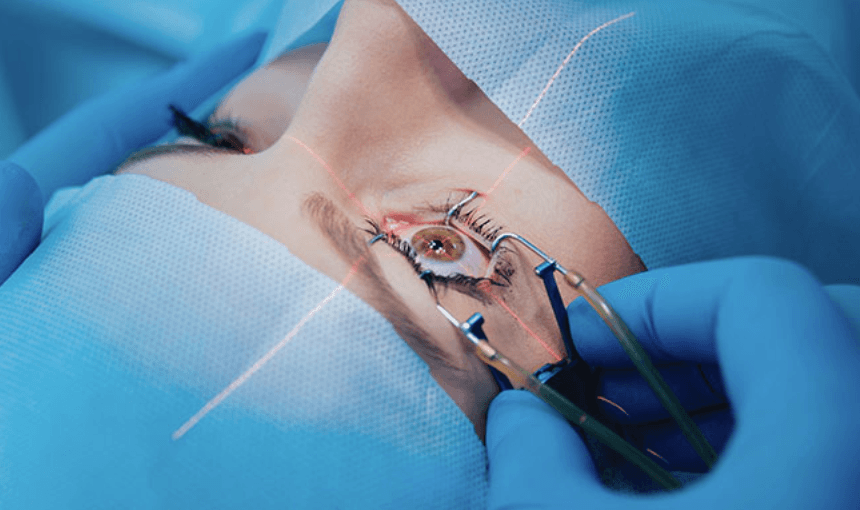
- Retinal laser treatment (photocoagulation) to seal tears and treat diabetic changes
- Vitreoretinal surgery for conditions such as retinal detachment, vitreous haemorrhage and macular holes
How to Choose the Best Retina Specialist in Moradabad
When your vision is at stake, look beyond advertisements. The right retina specialist should offer:
At Oracle Eye Hospital, we focus on all of these, so you can make informed decisions about your sight.
________________________________________
- Proper qualifications and experience in managing retinal disease
- Advanced diagnostic facilities, including retinal imaging and tomography
- An honest approach. Treatment should be advised only when needed, and the options and outcomes should be explained clearly
- Complete follow-up care. Retinal conditions often need long-term monitoring
- Transparent pricing and insurance support
- Clear communication in language you understand
Common Retinal Conditions We Evaluate and Manage
Diabetic Retinopathy
Diabetes damages the tiny blood vessels of the retina. They may leak fluid or blood, or grow fragile new vessels. Early stages cause no symptoms, which is why diabetes patients must get a dilated retinal check even when their vision seems fine. If untreated, diabetic retinopathy can cause blurred vision, floaters, bleeding inside the eye and permanent vision loss. It is a leading cause of preventable blindness among working-age adults.
Age-Related Macular Degeneration (AMD)
The macula is the central part of the retina responsible for reading, recognising faces and fine detail. In AMD, the macula gradually deteriorates. Symptoms include blurred or distorted central vision, straight lines looking wavy and a dark spot in the centre of the field of vision. Early detection and timely treatment can slow progression.
Retinal Detachment
A retinal detachment occurs when the retina separates from the back wall of the eye. It is a sight-threatening emergency. Warning signs include a sudden shower of floaters, flashes of light and a dark curtain or shadow spreading across your vision. Immediate treatment offers the best chance of saving sight.
Retinal Tears and Lattice Degeneration
Thin or weak areas of the retina can tear, especially in people with high myopia, previous eye surgery or injury. Laser treatment can often seal tears and reduce the risk of detachment.
Retinal Vein and Artery Occlusion
A blocked blood vessel in the retina can cause sudden, painless vision loss, swelling and bleeding. It is often linked to high blood pressure, diabetes, high cholesterol and heart disease. Prompt treatment of the eye, along with control of the underlying health condition, is essential.
Macular Oedema and Macular Hole
Fluid collection or a break in the central retina can seriously blur vision. Injections, laser or surgery may be advised depending on the cause and severity.
Central Serous Retinopathy
Fluid build-up under the macula, often seen in young and middle-aged adults and sometimes linked to stress or steroid use, can cause blurred or distorted vision. Many cases settle with monitoring and treatment of the trigger, while some need active treatment.
Retinopathy of Prematurity and Retinal Conditions in Children
Premature babies and children with certain conditions need timely retinal screening, because early detection can prevent permanent vision loss.
Hypertensive Retinopathy
Long-standing high blood pressure can affect the retinal blood vessels. A retinal examination often reveals the early effects of hypertension on the body.
Warning Signs You Should Never Ignore
See a retina specialist urgently if you notice:
Do not wait. Retinal emergencies are time-sensitive, and delay can mean permanent loss of vision.
- Sudden shower of new floaters (tiny spots, cobwebs or threads)
- Flashes of light, especially in the corner of the eye
- A dark curtain or shadow moving across your vision
- Sudden blurring or loss of vision in one eye
- Straight lines looking bent or wavy
- A blank or dark spot in the centre of your vision
- Sudden difficulty seeing colours or fine detail
Who Is at Higher Risk of Retinal Disease?
If you fall in any of these groups, a yearly dilated retinal check-up, or as advised by your doctor, is a smart investment in your vision.
- People with diabetes, especially of long duration or poor control
- People with high blood pressure or high cholesterol
- People above 50, particularly with a family history of macular degeneration
- People with high myopia (high minus power), who have a greater risk of retinal tears and detachment
- Those who have had eye surgery or eye injury
- Smokers
- People with a family history of retinal disease
- Premature babies and children with certain systemic conditions
Advanced Retinal Diagnostics at Oracle Eye Hospital
Accurate diagnosis is the foundation of retinal care. Depending on your condition, your evaluation may include:
We explain each report in simple language, so you understand what is happening inside your eye and what the treatment plan means.
- Dilated fundus examination to inspect the retina, macula and optic nerve in detail
- Retinal imaging to document and monitor changes over time
- Optical Coherence Tomography (OCT) to create a cross-sectional scan of the retina, which is especially valuable for macular swelling, macular holes and AMD
- Fluorescein angiography to study blood flow and leakage in the retina, when clinically needed
- Ultrasound (B-scan) to examine the retina when the view is blocked, for example by a dense cataract or bleeding
- Visual field and related tests as required
Key Benefits of Early Retinal Care
- Vision protection. Early treatment often prevents irreversible damage
- Painless screening. Retinal examination takes only a short time and causes no pain
- Lower treatment burden. Catching disease early may mean simpler treatment
- Whole-body insight. The retina can reveal the effects of diabetes and hypertension
- Peace of mind. A normal exam gives you confidence, and an early diagnosis gives you time to act
Step-by-Step Retinal Care Workflow
We keep the process clear and comfortable.
1
Step 1: History and Preliminary Tests - We note your symptoms, medical history, diabetes and blood-pressure status, and record vision and eye pressure.
2
Step 2: Dilated Retinal Examination - Dilating drops widen the pupil so the specialist can carefully inspect the retina and macula. You may notice blurred near vision and light sensitivity for a few hours.
3
Step 3: Advanced Imaging and Investigations - OCT, retinal photography or other tests are advised only when clinically needed, to confirm the diagnosis and guide treatment.
4
Step 4: Diagnosis, Treatment Plan and Follow-Up - You receive a clear explanation, treatment options and a follow-up schedule. Treatment may include medicines, injections, laser or surgery, depending on your condition, and any specialised procedure is planned with you openly.
A Message for Every Diabetic Patient
If you have diabetes, your eyes need regular attention even when you see well. The rules are simple:
Early detection with regular screening has been shown to greatly reduce the risk of severe vision loss from diabetes.
1
Get a dilated retinal examination at least once a year, or as advised by your doctor
2
Keep blood sugar, blood pressure and cholesterol under control
3
Do not skip diabetic eye screening because "vision is fine"
4
Report any sudden change in vision, floaters or flashes immediately
6
Tell your eye specialist if you are pregnant, since pregnancy can affect diabetic eye disease
Meet Our Eye Specialists
Dr. Girjesh Kain (MS, FICO) is a senior ophthalmologist who leads the clinical team at Oracle Eye Hospital. He is known for careful evaluation, clear communication and an honest, patient-first approach to every eye condition.
Dr. Rachana supports the clinical team in examination, treatment planning and follow-up, with a caring approach for patients of all ages.
Together, they ensure that retinal problems are detected early and that you always understand your options.