


Best LASIK Eye Surgery in Moradabad
What really makes LASIK safe and successful, and how Oracle Eye Hospital plans blade-free and topography-guided treatment around your eyes.
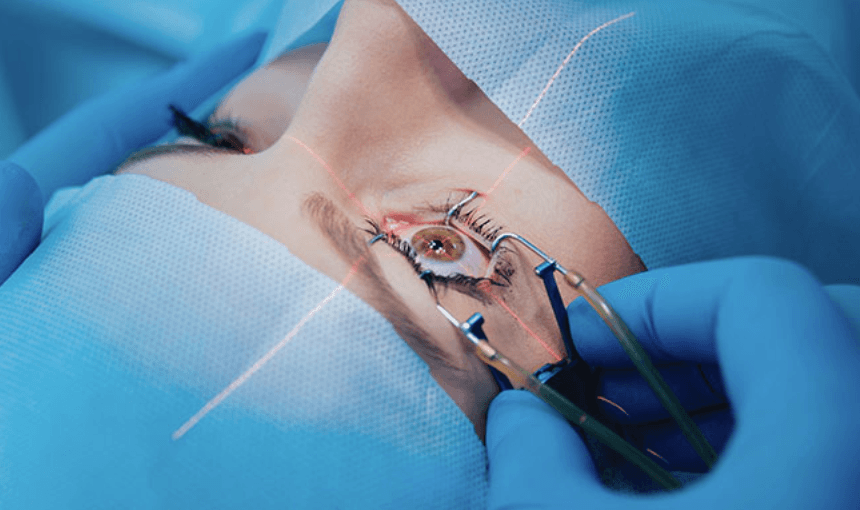
LASIK in Simple Words
The procedure has two main stages:
What Actually Makes LASIK "the Best"?
Here are the factors that truly separate a safe, high-quality LASIK experience from an average one.
1. A Thorough, Unhurried Screening
This is the single most important step. A proper pre-LASIK evaluation checks:
Prescription stability over at least the last 12 months
Corneal tomography (Pentacam) to map the front and back of the cornea and detect early keratoconus or irregularities
Corneal thickness (pachymetry) to ensure enough tissue remains after treatment
Corneal topography for planning topography-guided treatment
Tear film and dry eye assessment
Pupil size in dim light
Eye pressure and a dilated retinal examination
If a centre offers a five-minute check and a same-day surgery date without proper corneal mapping, be careful.
2. A Surgeon Willing to Say "No"
An honest surgeon turns away patients whose corneas are too thin, irregular or unstable. A refusal is not a failure of service. It is a sign of safe practice. If you are told you are not suitable for LASIK, ask about alternatives such as surface laser or implantable lenses.
3. The Right Technology Used Properly
Blade-free flap creation, a modern excimer laser and accurate diagnostic devices all help, but technology is only as good as the person planning and using it. Ask which technology will be used on your eyes and why it suits you.
4. Personalised Treatment Planning
Standard LASIK corrects your spectacle power. Topography-guided options, such as Contoura Vision, use a detailed map of your cornea to address surface irregularities as well. Your surgeon should explain whether you qualify, and not simply upsell a premium option.
5. Surgeon Experience and Volume
Ask how many refractive procedures the surgeon performs, how enhancements and complications are handled, and who will be present for follow-up.
6. A Clean, Sterile Surgical Environment
Strict sterilisation and a dedicated operation theatre reduce infection risk.
7. Honest Counselling on Benefits and Risks
You should hear clearly about dry eye, night-time glare, the possibility of enhancement and the fact that reading glasses may still be needed after 40.
8. Aftercare You Can Rely On
Good LASIK includes planned follow-up visits and a team you can reach if something feels wrong.
9. Transparent Pricing
You should receive a written, itemised estimate with clarity about what is included, such as tests, medicines and follow-up.
Blade-Free LASIK vs Conventional (Blade) LASIK
Why many surgeons prefer the femtosecond approach:
- No mechanical blade touches the eye
- Flap thickness and diameter can be tightly controlled and customised
- Flap-related complications are less common than with older techniques
- It may allow safer planning in borderline corneas
Topography-Guided LASIK
Possible benefits include:
Who is a Good Candidate for LASIK?
You may be a good candidate if:
- You are 18 years or older
- Your prescription has been stable for at least a year
- Your corneas are healthy and thick enough for your prescription
- Your eyes are free of infection, inflammation or progressive disease
- Your prescription is within the treatable range
- You have realistic expectations
When LASIK May Not Be Right
- Thin, steep or irregular corneas, including suspected keratoconus
- Unstable or changing prescription
- Uncontrolled dry eye
- Pregnancy or breastfeeding
- Certain autoimmune conditions or uncontrolled diabetes
- Very high prescriptions beyond safe limits
- Active eye disease such as glaucoma or cataract that needs treatment first
LASIK Myths and Facts
Myth: LASIK is painful.
Fact: Numbing drops are used, and most patients feel only mild pressure for a few seconds. Some irritation and watering afterward is common and settles quickly.
Myth: LASIK is done with a "cutting blade" that is risky.
Fact: In blade-free LASIK, a femtosecond laser creates the flap without a blade.
Myth: Anyone can get LASIK.
Fact: Proper screening excludes a significant number of people whose corneas or health make LASIK unsafe.
Myth: LASIK permanently guarantees I will never need glasses again.
Fact: Many patients are free of glasses for daily activities, but nearly everyone will need reading glasses after about 40 due to presbyopia, and some patients need low-power glasses for specific tasks.
Myth: You can go blind from LASIK.
Fact: Serious vision-threatening complications are very rare when patients are properly selected and cared for, though no surgery is entirely risk-free.
Myth: LASIK takes a long time to recover from.
Fact: Most patients notice better vision within a day and return to routine activities in 24 to 48 hours, as advised, though full stabilisation takes weeks.
Myth: Cheaper LASIK is the same as expensive LASIK.
Fact: Price differences can reflect differences in screening depth, technology, surgeon experience and aftercare, so compare what is included rather than the price alone.
Step-by-Step LASIK Workflow at Oracle Eye Hospital
Preparing for LASIK: Your Checklist
- Stop wearing contact lenses before the evaluation and surgery as advised (usually about a week for soft lenses and longer for hard or toric lenses)
- Bring your previous prescriptions and glasses
- Tell your doctor about all medicines, allergies and health conditions
- On the day, avoid makeup, creams and perfume
- Eat lightly and wear comfortable clothes
- Arrange for someone to accompany you home
- Plan a few days of lighter screen use as your surgeon advises
LASIK Recovery and Aftercare
First few hours: mild burning, watering and light sensitivity. Rest with eyes closed.
First 24 to 48 hours: vision typically improves noticeably. Many patients return to routine work and light screen use as advised.
First week: vision continues to settle, with possible dryness or fluctuation.
First 1 to 3 months: vision stabilises, and dryness and night glare often improve.
Aftercare essentials:
- Use antibiotic, steroid and lubricating drops exactly as prescribed
- Do not rub your eyes, especially during the first weeks
- Wear protective shields while sleeping as advised
- Avoid swimming, saunas, dusty places and eye makeup for the recommended time
- Follow the 20-20-20 rule during screen use
- Attend all follow-up visits
What You Should Know
- Dry eyes, the most common effect, usually temporary
- Glare, halos or starbursts around lights at night, which often improve over time
- Under-correction or over-correction, sometimes needing an enhancement
- Fluctuating vision in the early weeks
- Flap-related issues, uncommon with femtosecond technology
- Infection or inflammation, uncommon with proper aftercare
- Corneal ectasia, a rare weakening of the cornea, which careful screening aims to prevent
What Does LASIK Cost in Moradabad?
The cost depends on:
- Blade-free LASIK versus topography-guided treatment
- The technology and planning involved
- The complexity of your prescription and corneal profile
- Additional tests, medicines and follow-up
Questions to Ask Any LASIK Surgeon
Why Patients in Moradabad Choose Oracle Eye Hospital for LASIK
- Experienced refractive team: Dr. Girjesh Kain (MS, FICO) and Dr. Rachana
- Safety-first screening: we say no when LASIK is not right for you
- Blade-free and topography-guided options based on your corneal map
- Comfort-focused care: numbing drops, a quick procedure and same-day discharge
- Honest counselling about benefits, limitations and risks
- Local convenience: advanced refractive care in Moradabad
- Financial support: transparent estimates, EMI and cashless assistance
Book Your LASIK Screening Today
Meet Our Senior Specialists
Entrust your vision to dedicated ophthalmic surgeons who have restored sight to tens of thousands of patients across Western UP.
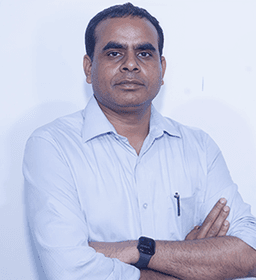
Dr. Girjesh Kain
Dr. Kain is an internationally trained cataract and refractive surgeon with fellowship honors. He has spearheaded modern micro-incision surgery techniques in Moradabad for more than 15 years.

Dr. Rachana
Dr. Rachana specializes in comprehensive eye diagnostics, complex cataract procedures, and customized intraocular lens selections to achieve optimal postoperative visual sharpness.
Frequently Asked Questions About Best LASIK Eye Surgery in Moradabad
Clear answers to help you make an informed decision for yourself and your family.
Explore Related Eye Care Services in Moradabad
Discover advanced super-specialty eye treatments available at Oracle Eye Hospital: