


Advanced Retina & Vitreous Care • Moradabad
Best Retina Specialist in Moradabad: Expert Care for Your Retina at Oracle Eye Hospital
Advanced Retina & Vitreous CareAlcon US-FDA Approved

Best Retina Specialist in Moradabad: Expert Care for Your Retina

Accurate diagnosis, advanced imaging and timely treatment for diabetic eye disease, retinal detachment and macular disorders at Oracle Eye Hospital.

Retina ScreeningDilated Exam + OCT
Treatment OptionsLaser, Injections & Surgery
Payment & TPACashless Insurance & EMI Assistance
Best Retina Specialist in Moradabad: Expert Care for Your Retina at Oracle Eye Hospital
Advanced Retina & Vitreous CareAlcon US-FDA Approved

What Is a Retina Specialist?

A retina specialist is an ophthalmologist with additional training in diseases of the retina and the vitreous, the clear gel that fills the eye. A general eye doctor handles spectacles, cataracts and routine eye health. A retina specialist deals with conditions that need advanced imaging, injections, laser therapy or microsurgery.
You should consider seeing a retina specialist if you have diabetes, a family history of retinal disease, high myopia, a sudden change in vision, or if your eye doctor has advised a retina evaluation.

Why the Right Retina Specialist Matters

Retinal tissue does not regenerate. Vision lost from untreated retinal disease often cannot be fully recovered, and timing makes a big difference to the outcome. For example:
In each case the specialist's skill in diagnosing, deciding when to treat and when to simply observe protects your sight.
  • A retinal detachment treated early has a much better chance of preserving vision than one treated after the macula has detached.
  • Diabetic retinopathy caught at the screening stage can often be controlled with monitoring, laser or injections, while advanced disease may lead to bleeding inside the eye or scarring.
  • Wet macular degeneration needs prompt injection therapy, because delay can lead to irreversible central vision loss.

Retinal Conditions We Evaluate and Treat

Diabetic Retinopathy

Long-standing high blood sugar damages the tiny blood vessels of the retina, causing leakage, swelling and abnormal new vessel growth. Moradabad, like the rest of India, has a large diabetic population, and diabetic retinopathy is one of the leading causes of preventable vision loss in working-age adults. Treatment may include blood sugar and blood pressure coordination, laser photocoagulation, anti-VEGF injections and, in advanced cases, vitreoretinal surgery.

Retinal Detachment and Retinal Tears

A tear or hole can allow fluid to lift the retina from its supporting layers. This is a medical emergency. Warning signs include a sudden shower of floaters, flashes of light and a dark curtain across part of your vision. Treatment depends on the type and severity and may include laser sealing of tears, gas injection (pneumatic retinopexy), scleral buckling or vitrectomy.

Age-Related Macular Degeneration (AMD)

AMD affects the macula, the central part of the retina responsible for reading, recognising faces and fine detail. The "dry" form progresses slowly, while the "wet" form can worsen quickly and is usually treated with anti-VEGF injections. Early signs include straight lines appearing wavy and a blurred or blank spot in central vision.

Macular Hole and Epiretinal Membrane

A macular hole is a small break in the central retina, and an epiretinal membrane is a thin scar-like layer on its surface. Both can cause distorted or blurred central vision, and surgery is often considered when symptoms are significant.

Retinal Vein and Artery Occlusion

A blockage in the retinal blood vessels can cause sudden swelling, bleeding and vision loss. These events are often linked with hypertension, diabetes, high cholesterol or heart disease, so treatment includes both eye care and coordination for the underlying cause.

Central Serous Chorioretinopathy

Fluid collects under the macula, often causing blurred or dim central vision. Many cases settle on their own, while persistent cases may need laser or other treatment.

Retinitis Pigmentosa and Inherited Retinal Disorders

These genetic conditions gradually affect night vision and the visual field. While not all can be cured, accurate diagnosis, counselling, low-vision support and family screening help patients plan better.

Retinopathy of Prematurity (ROP)

Premature or low-birth-weight babies can develop abnormal retinal blood vessels. Timely screening in the first weeks of life is important, and parents should ask their neonatologist about the ROP screening schedule.

High Myopia Retinal Changes

People with high minus power have a higher risk of retinal thinning, lattice degeneration and tears. A periodic dilated retinal check is advisable even if your spectacles seem fine.

When to See a Retina Specialist

Do not wait for your next routine check-up if you notice any of the following:
Sudden symptoms need same-day evaluation. If you have diabetes, a yearly dilated retina examination is recommended even when your vision feels normal, and your doctor may advise more frequent visits if retinopathy is already present.
  • Sudden increase in floaters (spots or cobwebs)
  • Flashes of light in one or both eyes
  • A shadow, curtain or dark area in your side vision
  • Straight lines looking bent or wavy
  • Sudden blurring or drop in vision
  • Difficulty seeing in dim light
  • Blank or missing spot in central vision

Advanced Diagnostic Evaluation

A correct diagnosis comes before any treatment. Depending on your condition, your retina evaluation may include:
Your specialist will recommend only the tests that are relevant to your case and explain the findings in plain language.
  • Dilated fundus examination: Drops widen the pupil so the specialist can examine the entire retina.
  • Optical Coherence Tomography (OCT): A non-invasive scan that creates cross-section images of the retina, useful for macular swelling, holes, membranes and AMD.
  • Fundus photography: Documents the retina's condition so changes can be compared over time.
  • Fluorescein angiography: Dye-based imaging that shows leaking or blocked blood vessels.
  • B-scan ultrasound: Helps assess the retina when the view is blocked by cataract or bleeding.

Laser Photocoagulation

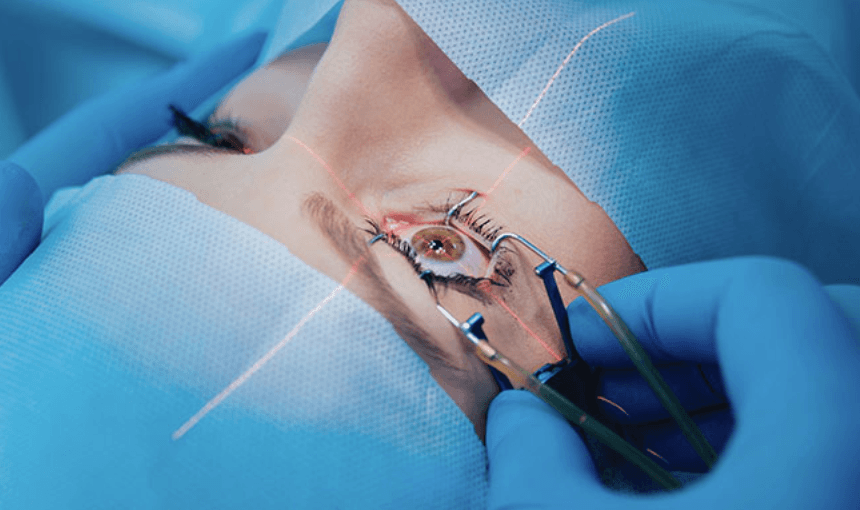
A focused laser seals leaking vessels, treats abnormal vessel growth in diabetic eye disease and creates protective spots around retinal tears. It is usually an outpatient procedure done with numbing drops.

Anti-VEGF Intravitreal Injections

Medicines injected into the eye reduce abnormal vessel growth and swelling in conditions such as wet AMD, diabetic macular edema and retinal vein occlusion. The treatment is usually given as a series of injections with follow-up monitoring, and your specialist will advise the plan based on your response.

Vitrectomy Surgery

Microsurgery removes the vitreous gel, blood or scar tissue pulling on the retina. It is used for vitreous haemorrhage, advanced diabetic eye disease, macular hole, epiretinal membrane and certain detachments.

Scleral Buckle and Pneumatic Retinopexy

These are techniques for repairing retinal detachment. The choice depends on the location and nature of the detachment, the patient's age and the lens status of the eye.

Medical Management and Monitoring

Not every retinal condition needs a procedure. Some are best managed with regular observation, lifestyle changes and control of diabetes and blood pressure. A good specialist advises treatment only when it is truly needed.

Diabetic Eye Screening for Moradabad Families

If you or a family member has diabetes, make a retina check a yearly habit. Diabetic retinopathy often shows no symptoms until it is advanced. A screening visit usually takes a short time and involves a dilated examination, with imaging when required.

Tips to protect your retina:

  • Keep blood sugar, blood pressure and cholesterol within the targets set by your physician.
  • Do not skip regular HbA1c checks.
  • Avoid smoking, which raises the risk of several retinal diseases.
  • Do not ignore blurred vision, even if it comes and goes.
  • Pregnant women with diabetes should have an eye check as advised by their doctor.

After laser or injection

  • Use the prescribed eye drops exactly as advised.
  • Avoid rubbing the eye and keep it protected from dust and water as instructed.
  • Report pain, increasing redness, sudden vision drop or discharge immediately.
  • Attend every follow-up visit, even if you feel better.

After retinal surgery

  • Your surgeon will give specific instructions on positioning, activity limits and medicines.
  • Air travel and high altitude can be unsafe if a gas bubble is placed in the eye, so tell the team about any travel plans.

Cost of Retina Treatment in Moradabad

The cost depends on the diagnosis, the tests needed, whether you need laser, injections or surgery, the number of sessions and the type of implants or medicines used. For this reason, a fair estimate is only possible after examination. At Oracle Eye Hospital, our team provides a transparent estimate after evaluation, and our desk helps with cashless insurance and EMI options where eligible.
Expert Surgical Team

Meet Our Senior Specialists

Entrust your vision to dedicated ophthalmic surgeons who have restored sight to tens of thousands of patients across Western UP.

Dr. Girjesh Kain

Dr. Girjesh Kain

Founder & Managing Director
MS (Ophthalmology), FICO

Dr. Kain is an internationally trained cataract and refractive surgeon with fellowship honors. He has spearheaded modern micro-incision surgery techniques in Moradabad for more than 15 years.

Dr. Rachana

Dr. Rachana

Senior Ophthalmologist
MBBS, MS (Ophthalmology)

Dr. Rachana specializes in comprehensive eye diagnostics, complex cataract procedures, and customized intraocular lens selections to achieve optimal postoperative visual sharpness.

Patient Questions

Frequently Asked Questions About Best Retina Specialist in Moradabad: Expert Care for Your Retina

Clear answers to help you make an informed decision for yourself and your family.

The best specialist for you is one with proper retina training, relevant experience, modern diagnostic facilities and a habit of explaining things honestly. We encourage you to meet the doctor, ask questions and then decide. You can book a consultation at Oracle Eye Hospital to discuss your condition with our team.
Get Appointment